Our Rating
Napa Valley, CA
48% Cabernet Sauvignon, 42% Cabernet Franc, 5% Malbec, 5% Petit Verdot
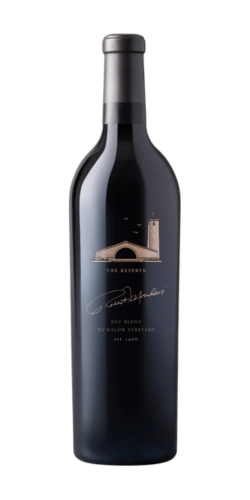
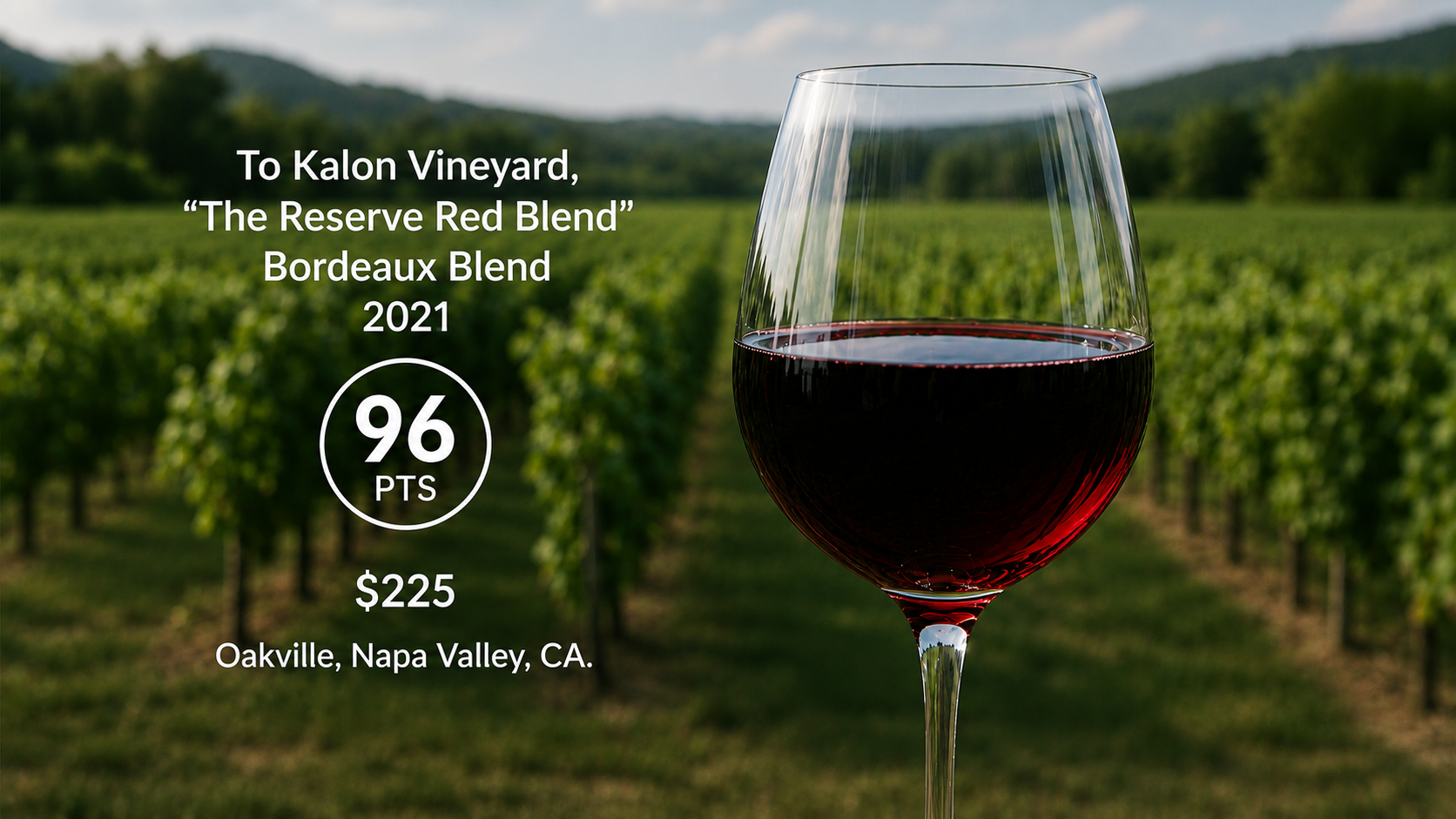
The Reserve Red Blend sits among Robert Mondavi Winery’s top To Kalon Vineyard bottlings. The 2021 combines Cabernet Sauvignon, Cabernet Franc, Malbec, and Petit Verdot, with all of the fruit sourced from the winery’s holdings in Oakville. It is a powerful, youthful wine shaped by concentrated fruit, substantial tannin, and a pronounced new-oak presence.
Robert Mondavi founded his Oakville winery in 1966, establishing the first major Napa Valley winery built after Prohibition. To Kalon Vineyard became central to the estate’s identity and to Mondavi’s effort to produce structured, age-worthy wines from Napa Valley.
The Reserve tier focuses on limited wines sourced from To Kalon, including Cabernet Sauvignon, Fumé Blanc, Merlot, and this Bordeaux-style red blend. The bottling is designed to change with each vintage rather than follow a fixed varietal formula.
Robert Mondavi Winery does not identify the individual winemaker responsible for this specific 2021 bottling on its product page. Kurtis Ogasawara is currently listed as the winery’s Director of Winemaking, but the winery does not explicitly attribute this vintage of The Reserve Red Blend to him.
All of the fruit comes from To Kalon Vineyard, located on benchland in western Oakville. The site’s well-drained soils, warm daytime exposure, and position near the Mayacamas Mountains support full ripening while retaining the structure associated with Oakville Cabernet-based wines.
For this vintage, the vineyard produced small, concentrated grapes after a dry and relatively mild growing season. The limited yields contributed to the wine’s depth, firm tannins, and pronounced flavor intensity.
The final blend consists of 48 percent Cabernet Sauvignon, 42 percent Cabernet Franc, 5 percent Malbec, and 5 percent Petit Verdot. The fruit was harvested by hand, and the completed wine spent 20 months in French oak barrels, all of them new.
The high proportion of new oak is clearly present in the wine, contributing cedar, vanilla, mocha, espresso, baking spice, and dark chocolate notes. At this stage, the oak remains prominent but is supported by enough fruit concentration and tannic structure to develop further in bottle.
The 2021 Oakville growing season began with rain in January and February, followed by dry conditions for the remainder of the season. Moderate temperatures accompanied budbreak and bloom, and generally even weather continued through summer and harvest.
Lower-than-average yields produced small, concentrated berries. Those conditions are reflected in the wine’s dense fruit, firm structure, and potential for extended aging.
The wine is clear with a deep ruby color and considerable visual concentration.
The nose is pronounced and youthful, opening with blackcurrant, black cherry, and plum. Cedar, vanilla, mocha, tobacco, and graphite follow, reflecting both the Cabernet-driven fruit profile and the extensive new-oak aging.
The palate is dry, full-bodied, and concentrated. Blackcurrant and blackberry lead, followed by dark chocolate, espresso, cedar, vanilla, licorice, and baking spice.
Acidity is medium-plus, providing enough freshness to support the wine’s weight. Tannins are high, ripe, and firm, giving the wine a compact structure that remains youthful. Alcohol is elevated, while the fruit concentration and oak prevent it from becoming the dominant feature.
The finish is long and drying, with lingering black fruit, graphite, espresso, cedar, and baking spice. Tannin and oak remain prominent after the fruit begins to recede.
The 2021 The Reserve Red Blend is a concentrated and firmly structured expression of To Kalon Vineyard. Cabernet Sauvignon provides the dark fruit and tannic foundation, while the unusually high proportion of Cabernet Franc adds aromatic detail and lift.
It can be approached now after one to two hours of decanting, but the tannins and new oak remain youthful. Four to five additional years of cellaring should allow greater integration, with the underlying concentration supporting development for two decades or longer from the vintage.
USA
Napa Valley, CA
48% Cabernet Sauvignon, 42% Cabernet Franc, 5% Malbec, 5% Petit Verdot
15%
Kurtis Ogasawara
1 to 2 Hours
Now to 2031
Robert Mondavi Winery