Our Rating
Burgundy
Chablis
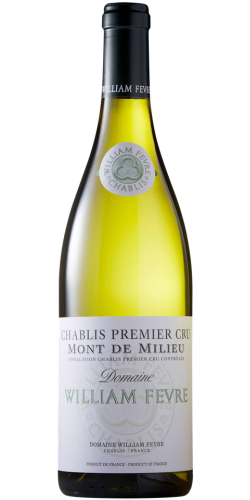
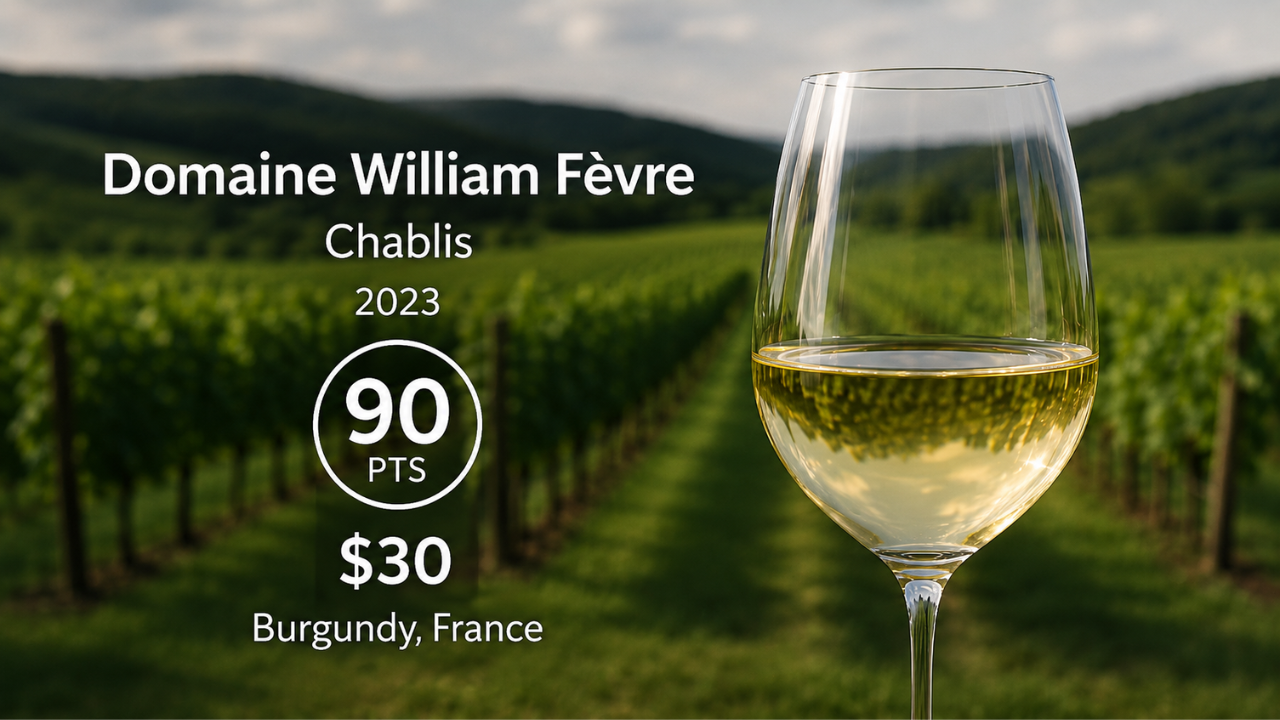
The 2023 Domaine William Fèvre Chablis is the estate-grown village-level bottling from one of the appellation’s larger vineyard owners. It combines fruit from multiple estate parcels, many located near Premier Cru vineyards, and is intended to provide a broad introduction to the domaine’s restrained, mineral-focused style.
This vintage shows pale lemon-green color, bright citrus and orchard-fruit aromatics, high acidity, and a clean saline finish. The wine is already drinking well, although its freshness and structure should allow it to develop through the end of the decade.
William Fèvre established the modern estate in 1959 with approximately seven hectares of vines. The domaine has since expanded to roughly 70 hectares, including 15.9 hectares of Premier Cru vineyards and 15.2 hectares classified as Grand Cru. Its vineyards have been farmed organically for more than two decades, with individual parcels vinified separately to preserve distinctions among sites.
Domaines Barons de Rothschild Lafite acquired Domaine William Fèvre from Artémis Domaines in January 2024. Because the 2023 growing season and harvest occurred before that acquisition, this wine was produced under the previous ownership, although the established vineyard and cellar team remained in place.
Didier Séguier has directed Domaine William Fèvre since 1998. Working with vineyard manager François Ménin and cellar master Pascal Reynaud, Séguier shifted the domaine toward more environmentally focused farming and a cellar approach built around restrained oak use, parcel separation, and clear site expression.
For this village Chablis, that approach translates into native-yeast fermentation, full malolactic conversion, predominantly stainless-steel aging, and only a small portion of neutral oak.
The wine is produced entirely from approximately 38 hectares of estate vineyards distributed throughout the Chablis appellation. Many of these parcels border Premier Cru sites, providing a range of exposures and elevations within the final blend.
The vineyards are rooted in the limestone and marl formations associated with Chablis, including Kimmeridgian subsoil. Rather than representing one specific climat, the wine combines several estate sites to present a broader expression of village-level Chablis.
The fruit moves through a gravity-fed cellar and is fermented with native yeasts in stainless steel. The wine completes malolactic conversion and ages for 10 to 12 months, primarily in stainless steel. Approximately 5 percent spends six months in used French oak.
The limited oak component does not make this a completely unoaked wine, but its influence is restrained. Stainless steel remains the dominant aging vessel, preserving the citrus profile, acidity, and clean mineral character.
The 2023 growing season in Chablis included a mild winter, wet and inconsistent spring conditions, disease pressure, and an extended period of drought. Warm September weather helped the grapes reach maturity, and harvesting began around September 10. The regional trade organization described the resulting wines as expressive, fruit-forward, and accessible relatively early.
For this bottling, the vintage produced slightly generous orchard fruit while retaining the acidity and saline structure expected from Chablis. The result is approachable now but not lacking in tension.
Clear and pale lemon-green in the glass, with a youthful appearance and no visible signs of development.
The nose opens with lemon, green apple, grapefruit, and pear, followed by white flowers and a distinct wet-stone note. Aromatic intensity is moderate, with the fruit remaining fresh and direct rather than ripe or tropical.
Dry and medium-light in body, the palate is driven by high acidity and flavors of citrus, green apple, pear, and subtle mineral notes. A saline quality becomes more noticeable through the middle of the palate. The alcohol is moderate and well integrated, while the small neutral-oak component contributes little obvious oak flavor.
The finish is clean and medium in length, with citrus, saline, and wet-stone notes tapering gradually. The acidity remains prominent through the close, reinforcing the wine’s crisp and focused character.
The 2023 Domaine William Fèvre Chablis is a precise, accessible village Chablis centered on citrus, green apple, wet stone, and saline freshness. High acidity provides definition, while the limited neutral-oak component adds subtle breadth without obscuring the fruit.
It is ready to drink now and should remain in good form through approximately 2030. Decanting is unnecessary, although allowing the wine to warm slightly in the glass will help the floral, pear, and mineral notes become more apparent.
France
Burgundy
Chablis
13
Didier Séguier
N/A
Now - 2030
Domaine William Fèvre