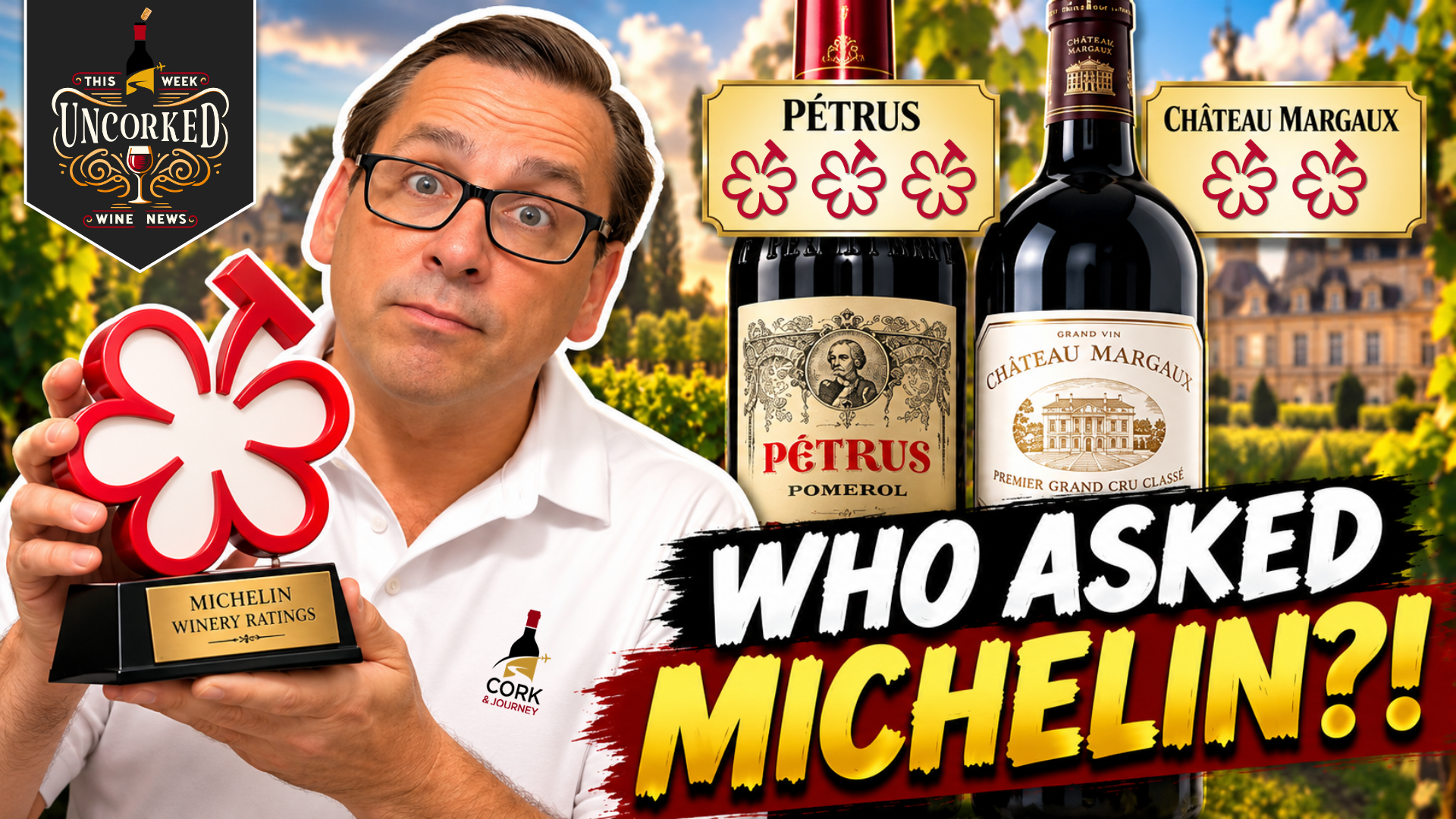
Michelin is now rating wineries, and critics are not impressed. Brett Martin breaks down the Bordeaux grape ratings controversy, Oregon’s Eola-Amity Hills collecting six 100-point wines, and Arbois at 90. Plus Devona Winery, Pine Ridge Cabernet, Hattaway’s on Alder, and corkage at Sidney Street Cafe in St. Louis.

Crashing bulk wine prices force California growers to give away Pinot Noir and clear vineyards, even as Oregon’s Rogue Valley claims top national honors. Meanwhile, Chinese critic Alexandre Ma revolutionizes Eastern wine reviews, and Sicily’s widely planted Catarratto grape finally captures the global spotlight.
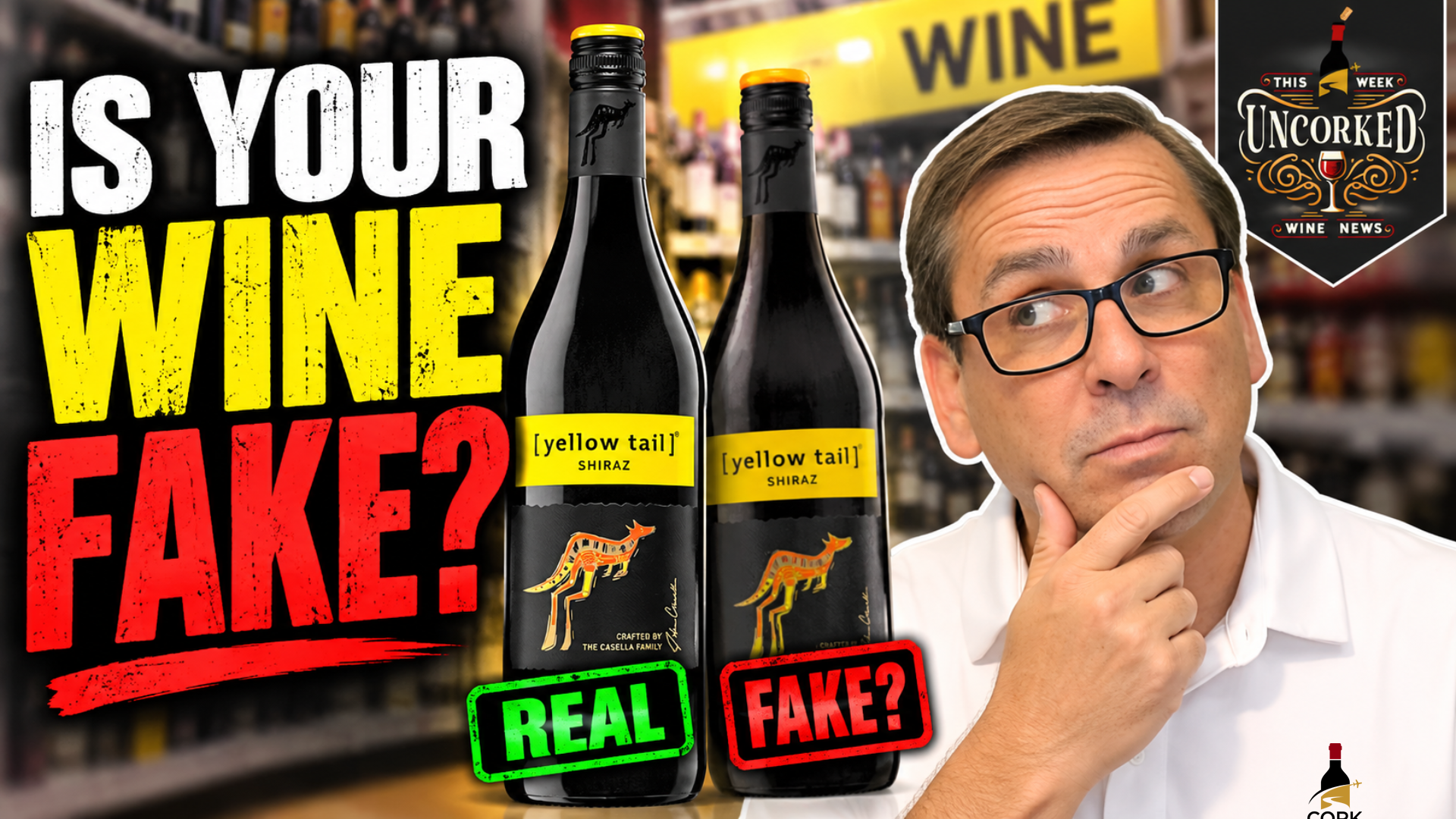
The U.S. wine market faces its fifth straight year of volume decline, dropping below 300 million cases. Meanwhile, AI technology is revolutionizing wine authentication and taste mapping, counterfeiters target mass-market brands, and Wales pushes to establish the world’s first official natural wine appellation.

New research debunks the myth of Gen Z alcohol moderation while revealing Boomers are actually drinking less, as traditional wine clubs face stalling growth. Internationally, Russia launches a massive, 4.2-hectare “wine Disneyland” on the Black Sea, and Portugal pioneers immersive underwater wine tourism off the Alentejo Coast.
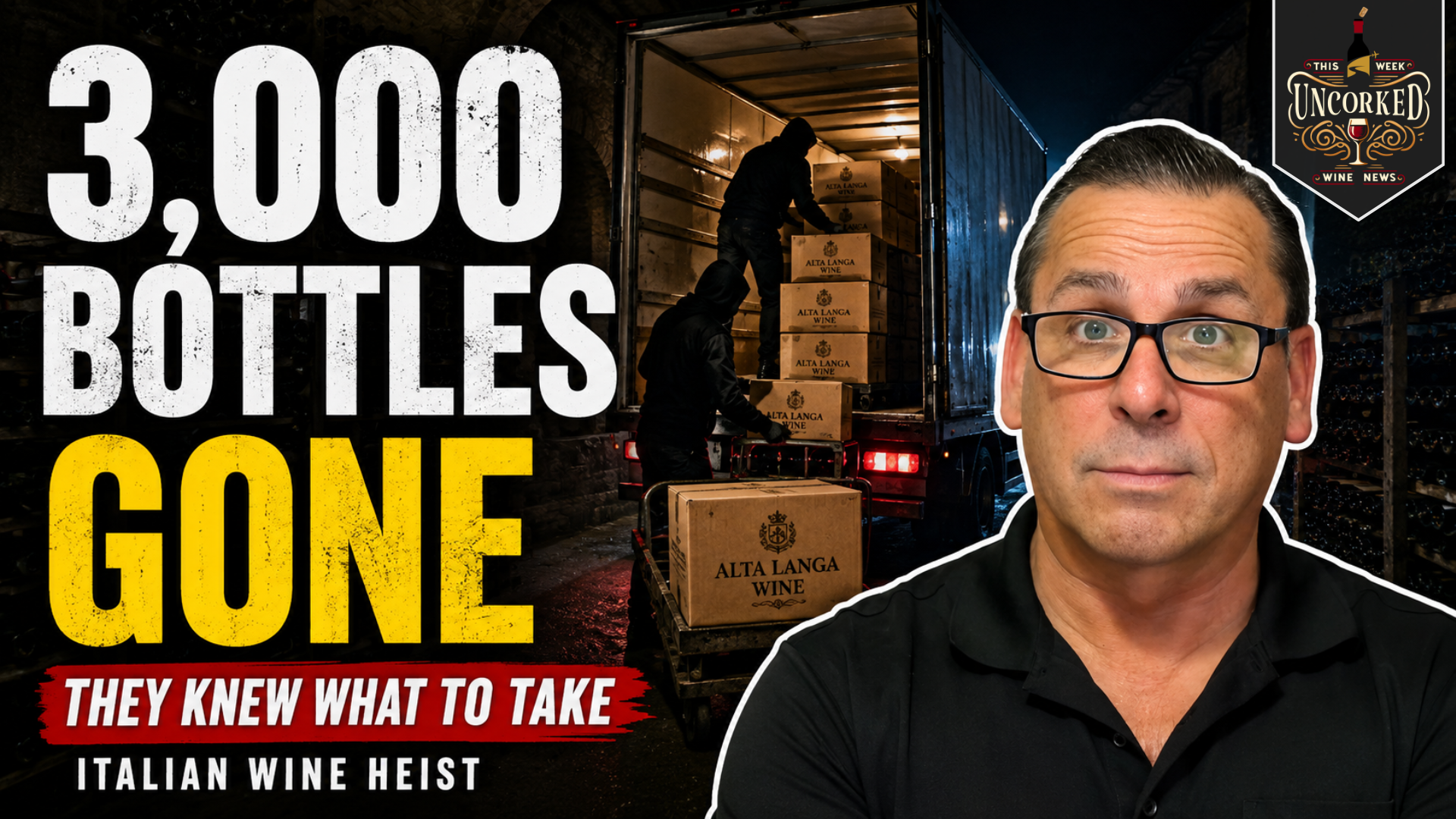
A broad lawsuit against Napa County threatens local winery operations, while a high-stakes succession battle rocks France’s Castel drinks empire. Meanwhile, thieves made off with over 3,000 bottles of Italian sparkling wine, and New Mexico’s historic Vivac Winery hits the market, offering a rare piece of Southwestern heritage.

From the MICHELIN Guide introducing its inaugural “Grape” distinctions in Burgundy to Virginia wines standing shoulder-to-shoulder with top French bottles in Paris, regional prestige is taking new forms. Meanwhile, six new Master Sommeliers earned their pins, and a new documentary spotlights East Coast winemaking.
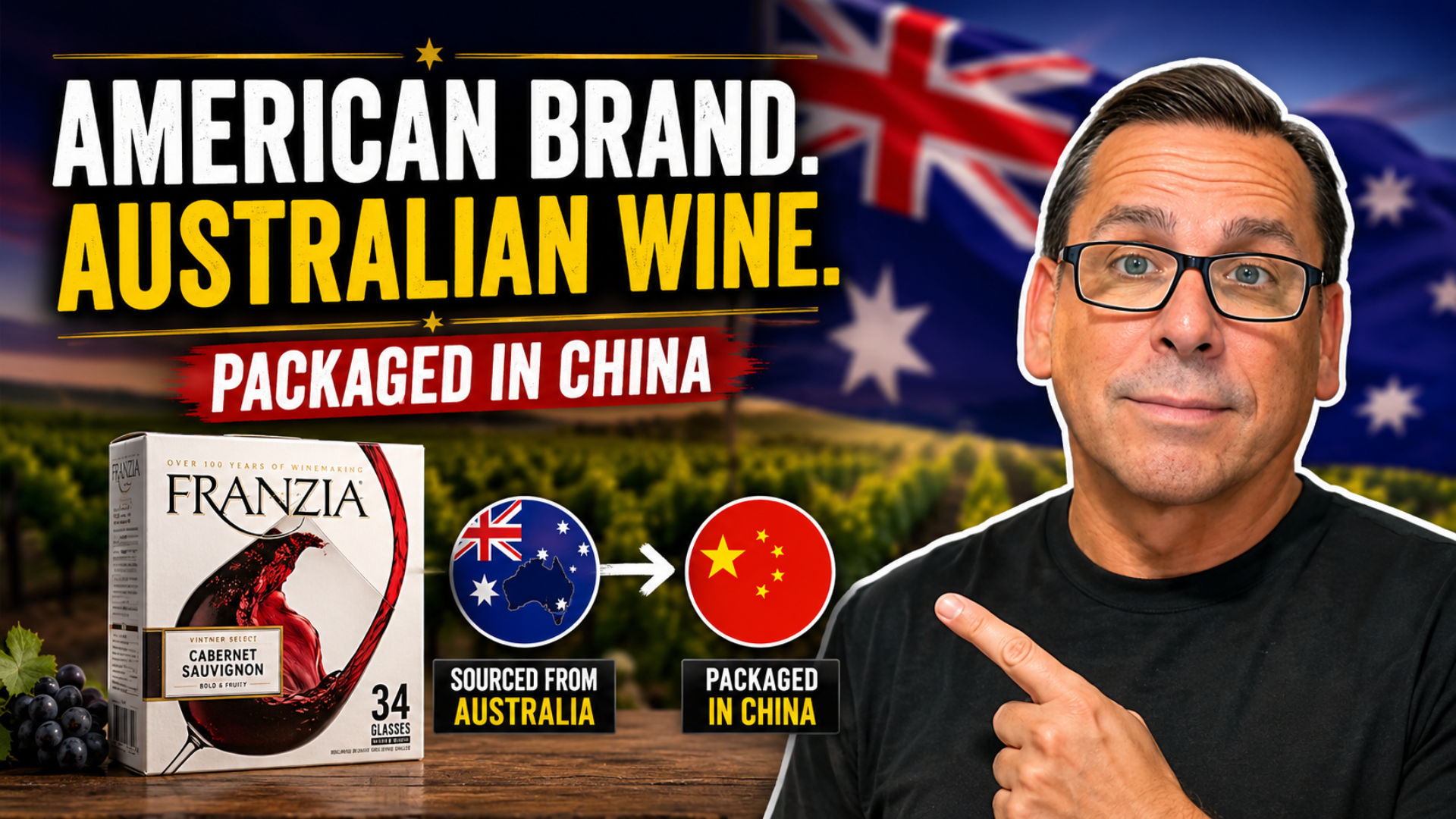
Escalating tariffs are reshaping global trade, forcing Franzia to sell Australian wine packaged in China while US lawmakers push the “CANADA Act” to penalize Canadian alcohol bans. Meanwhile, South Africa pivots toward drought-resistant Greek grapes, and US Champagne sales show a steady rebound.

Vineyard technology took center stage as UV-C light robots debuted to combat powdery mildew, while AI search tools ignited debates on alcohol health risks. Meanwhile, a new data platform promises to solve “planning paralysis” in Walla Walla, and Washington’s Abeja Winery highlights the regional news.

A steep drop in direct-to-consumer shipments and staggering farming costs are driving calls for small Napa vineyards to bulldoze, while Australia’s Heartland Wines collapses under a massive 2-billion-liter global oversupply. In response to rising systemic volatility, Italy has launched its first income-stabilization “crisis fund” for winemakers.
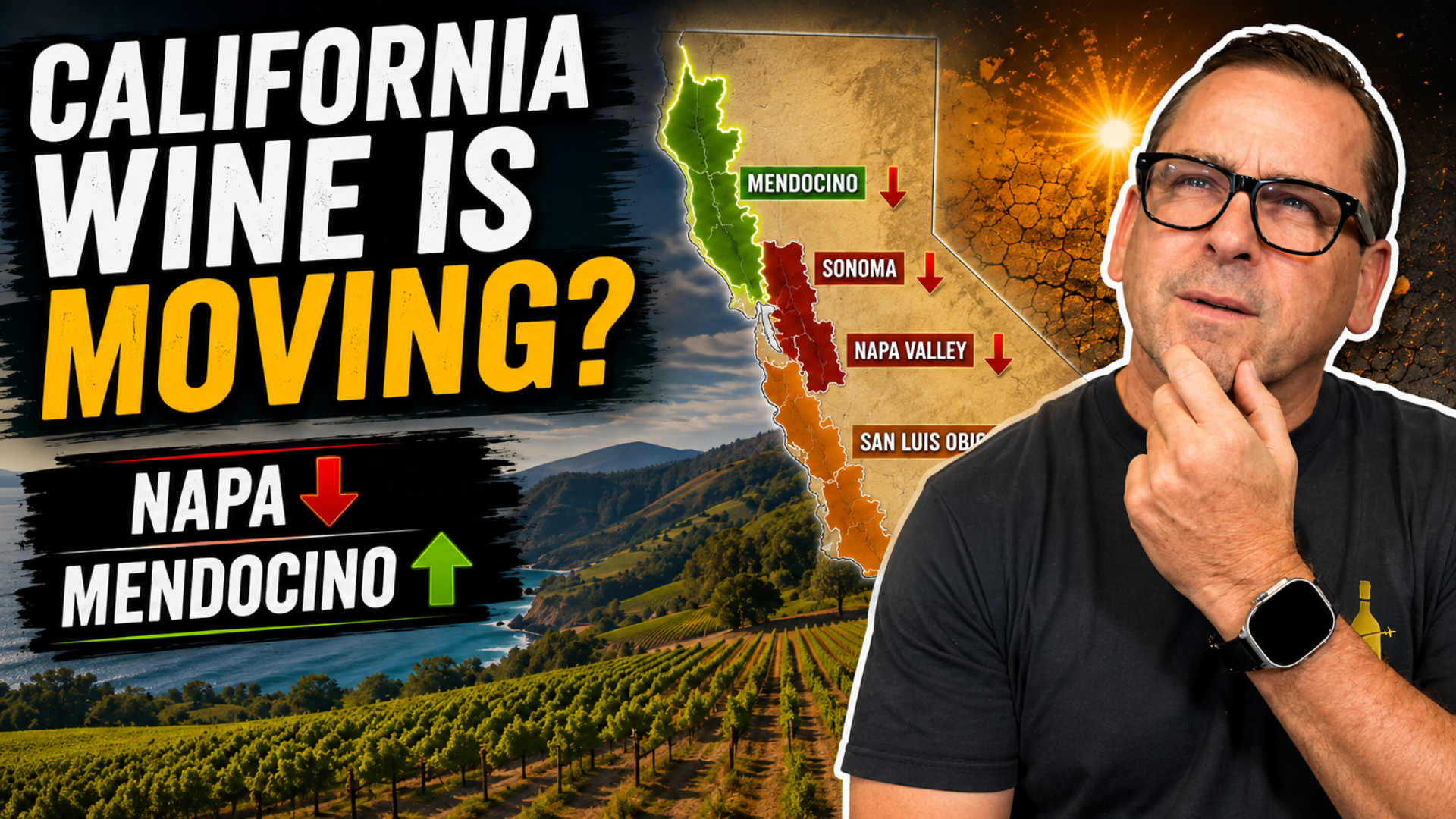
Europe and California are facing unprecedented early harvests driven by extreme heat, with Champagne on track for its earliest start since 1822. Meanwhile, a light 2026 crop offers potential market balance, and new climate modeling suggests the future of California wine could shift north to Mendocino.