
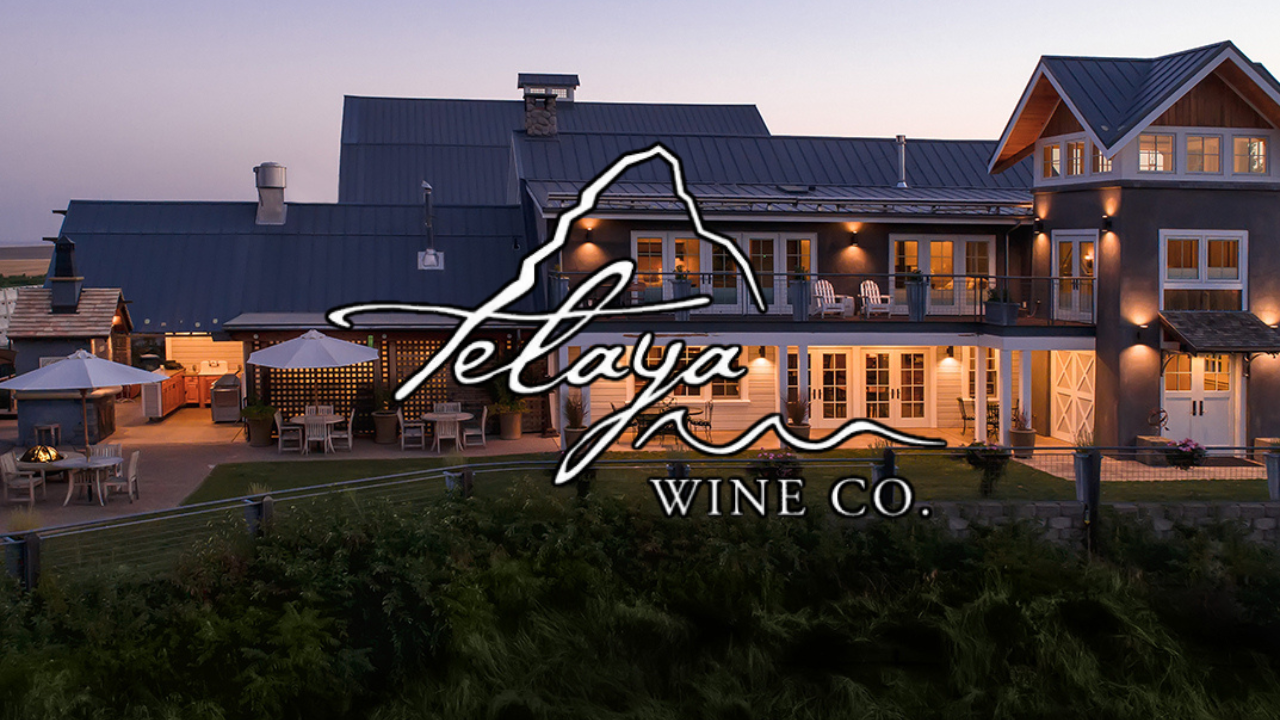
Telaya Wine Co. operates in Garden City, a short distance from downtown Boise, with a tasting room and production facility positioned directly beside the Boise River Greenbelt. The winery works with fruit from Idaho and Washington, allowing its portfolio to represent both the Snake River Valley and established Columbia Valley growing sites. Visitors can taste indoors or use the patio and deck, which provide direct views of the river and surrounding trees. This combination of active production, accessible tasting formats, and a strong physical setting has made Telaya one of the more visible wineries in the Boise area.
Earl and Carrie Sullivan founded Telaya in 2008 and continue to operate the business as a family-owned winery. The name combines two places important to the founders, the Tetons and “la playa,” reflecting the idea of creating a stable home base while maintaining a broader sense of travel and exploration. The winery began with a small experimental blend and gradually developed into a production and hospitality operation centered in Garden City. No outside ownership transition is identified in the submitted winery information.
The winery’s development has also tracked the growth of Idaho’s modern wine industry. Telaya began at a time when Garden City was emerging as an urban winemaking district, giving producers access to Boise-area visitors without requiring an estate vineyard or rural tasting room. Its location now places it within a concentration of wineries and craft beverage businesses along the Greenbelt. Telaya distinguishes itself within that group through its riverside property, sizable hospitality program, and continued use of fruit from both Idaho and Washington.
Earl Sullivan serves as founder, owner, and head winemaker. His early work included an experimental 2008 blend developed with Carrie, using his harvest experience and guidance from consultants to establish the winery’s basic flavor profile and production direction. Carrie Sullivan has also participated in the winemaking program since the beginning and is identified by the winery as an owner and winemaker. Their combined involvement has kept production and ownership closely connected rather than separating winemaking decisions from the management of the business.
The winery sources grapes rather than presenting itself primarily as an estate-vineyard operation. Its vineyard program includes sites in Idaho and Washington, including established areas such as Red Mountain and the Yakima Valley. This sourcing model provides access to varieties and growing conditions that differ considerably across the two states. It also allows Telaya to produce regional blends alongside vineyard-designated wines that focus on individual sites.
Telaya’s property is designed as both a working winery and a public gathering space. The building has a contemporary, industrial appearance, with dark metal siding, large windows, production areas, and several hospitality spaces. Outdoor seating extends toward the Boise River, while the Greenbelt runs directly beside the winery. The second-floor Teton Room adds elevated views of the river and nearby foothills when it is available for regular seating or private use.
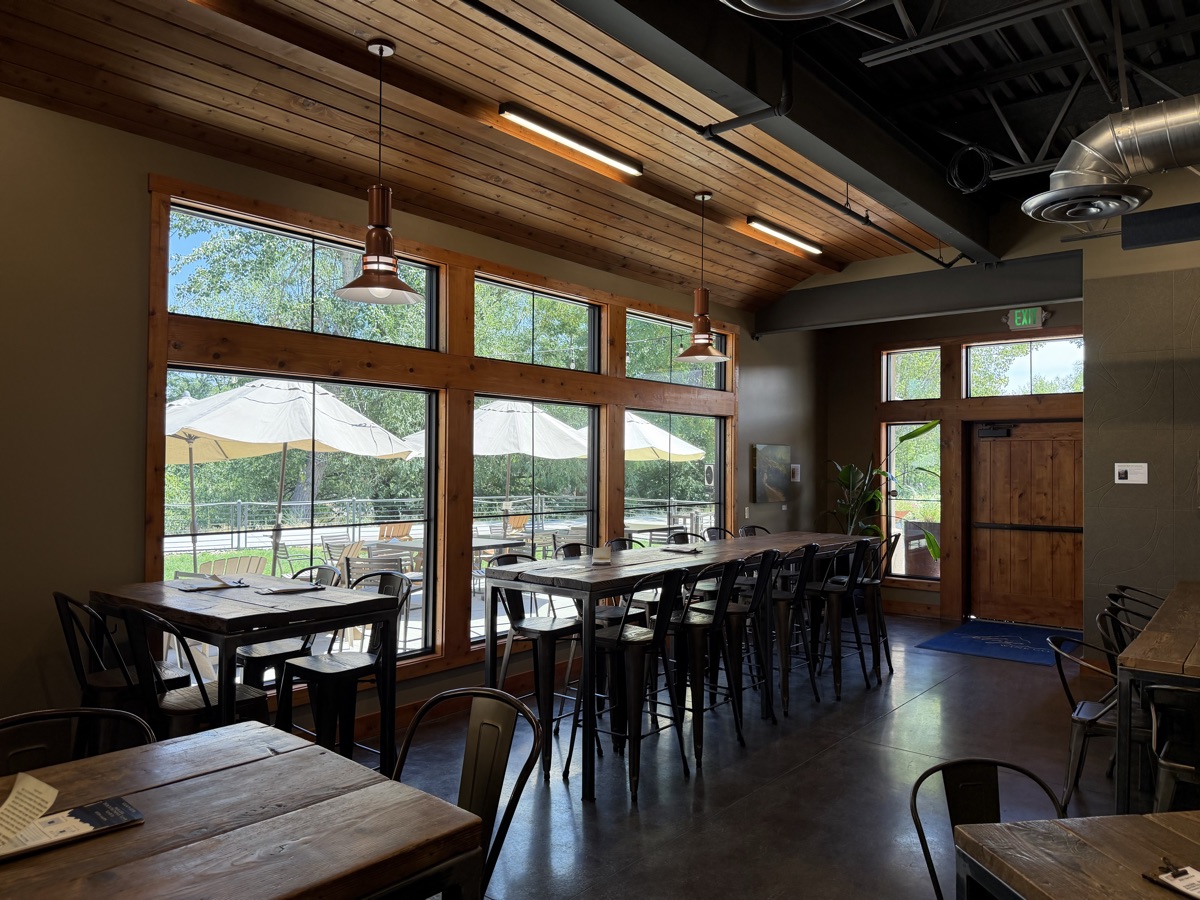
The deck and patio are central to the visitor experience rather than secondary additions to the tasting room. Tables are positioned along the riverfront, providing a clear view of the water, mature trees, and activity on the Greenbelt. Inside, the tasting room maintains a more functional winery atmosphere, with polished concrete, open space, and visible connections to production. Visitors seeking a traditional vineyard estate will not find that format here, but the urban location offers direct access from Boise and a setting that remains closely connected to the outdoors.
 Telaya has historically emphasized structured red wines, particularly blends, Syrah, Cabernet Sauvignon, Petit Verdot, and Rhône-influenced bottlings. Turas, a Syrah-based red blend, has been one of the winery’s defining labels, while other releases focus on individual vineyards in Idaho and Washington. The current portfolio also includes whites and rosé, with varieties and blends such as Viognier, Picpoul Blanc, Chardonnay, Bandia, and Anam broadening the range. Current releases continue to identify whether the fruit comes from Idaho or Washington, giving visitors a useful comparison between the two regions.
The red-wine program generally favors concentration, structure, and the ability to develop in bottle rather than wines designed only for immediate consumption. Recent club releases have included Turas, Malbec, Emerald Slope Syrah, Boushey Vineyard Cabernet Sauvignon, Ciel du Cheval Syrah, and Shaw Stanton Petit Verdot. These bottlings demonstrate the winery’s continued use of both blends and vineyard-specific expressions. The broader lineup gives visitors the opportunity to compare Idaho-grown varieties with wines made from established Washington vineyards without leaving the tasting room.
General tastings are offered on a first-come, first-served basis, and reservations are not required for standard seating. Flights include four 3-ounce pours and are currently listed between $20 and $24, while wines by the glass range from $10 to $15. Bottle service is also available, and guests may purchase grazing boxes, use an on-site food truck when scheduled, or bring their own picnic and snacks. Seating is offered indoors, on the deck, on the seasonal patio, and sometimes in the upstairs Teton Room.
Telaya also offers a more structured private experience that combines a production tour with a guided tasting. The current Telaya Experience includes six wines, one of which is a library selection, along with access to production areas and an explanation of the winemaking process. It is listed at $55 per person, or $40 for active wine club members, and requires at least four guests and advance scheduling. A separate Library Experience focuses on six aged wines and includes a meat and cheese board.
The submitted tasting log from the July 8, 2026 visit recorded an earlier $20 tour format that included three current wines and one library wine. That differs from the winery’s present online description and pricing, which lists the expanded private experience at $55. Visitors interested in a tour should therefore use the current booking page or contact the winery before arriving. The standard flight and glass prices in the tasting log remain consistent with the winery’s publicly listed tasting-room pricing.
Telaya currently offers the Family Club, Teton Club, and Journey Club. The Family Club includes an initial six-bottle allotment followed by spring and fall allotments, while the Teton Club uses a similar schedule with 12 bottles. Both provide preferred bottle pricing, case discounts, reduced flight and glass prices, event access, and opportunities to purchase club-only wines. Members may select their wines or allow the winemaking team to assemble the allotment.
The Journey Club uses a different structure, charging $30 each month and allowing the credit to accumulate for wine, merchandise, or events. This option may be more practical for local visitors who want flexibility rather than two larger seasonal allocations. Telaya also promotes release events, special dinners, educational tastings, member travel, and complimentary shipping for scheduled Family and Teton allotments. The club has the strongest practical value for regular buyers who can use the tasting-room discounts, events, and access to limited releases.
Telaya is located in Garden City rather than within a vineyard, but much of its Idaho fruit is connected to the Snake River Valley. The AVA was established in 2007 and encompasses approximately 8,263 square miles across Idaho and Oregon. Its vineyard areas are influenced by high elevation, volcanic sediment, substantial sunlight, and pronounced temperature changes between day and night. Those conditions can support fruit development while helping grapes retain acidity as they ripen.
The winery’s use of Washington fruit gives the portfolio a second regional reference point. Washington vineyard sources bring varieties and sites already associated with Cabernet Sauvignon, Syrah, and other structured reds, while Idaho fruit allows Telaya to participate directly in the development of its home-state industry. This dual-state approach is important to understanding the winery. Telaya is an Idaho producer, but its identity is based on selective sourcing across the inland Pacific Northwest rather than a single estate property.