
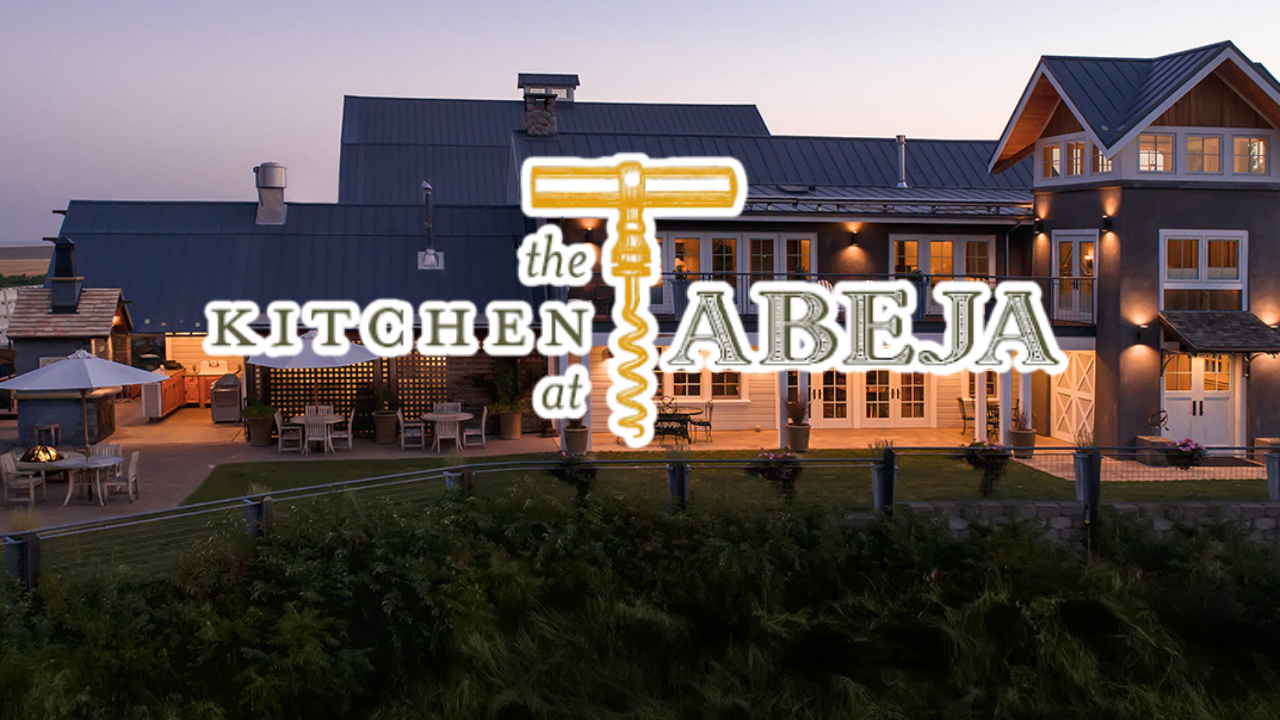
Located on Abeja’s historic farmstead east of Walla Walla, The Kitchen at Abeja serves a Northwest-focused, Tuscan-inspired prix fixe dinner within the winery and inn property. The restaurant currently offers a five-course menu, with optional additions and an Abeja wine pairing. Its identity is built around seasonal ingredients, handmade pasta, composed sauces, and a progression designed to work with the estate’s wines. That combination gives the restaurant a more focused culinary direction than a conventional winery dining room.
The restaurant operates as part of a 49-acre property that includes Abeja Winery, The Inn at Abeja, estate vineyards, gardens, and restored farm buildings. Founders Ken and Ginger Harrison acquired the Mill Creek Road property in 2000, continuing the restoration of a farmstead whose principal structures date to the early twentieth century. The dining program uses that setting without allowing the historic surroundings to substitute for kitchen execution. Its monthly changing menu remains compact, structured, and closely connected to the winery’s broader hospitality program.
The dinner reviewed was priced at $135 per person, with a $55 optional wine pairing, a $20 cheese addition, and a $10 foie gras bon-bon supplement. The format gives the kitchen control over pacing, portioning, and the order in which flavors develop. It also limits flexibility for diners who prefer to choose individual dishes or avoid particular ingredients. Within that fixed structure, however, the courses were consistent in presentation, portion size, and culinary direction.
 Executive Chef Mike Easton leads menu development, recipe design, and staff training, while Chef de Cuisine Frank Magaña oversees the kitchen’s daily execution. Easton previously built his reputation through Seattle restaurants Il Corvo, Il Nido, and Bar Bacetto, with handmade pasta serving as a recurring focus throughout his work. He has received four James Beard Award nominations, including recognition for his cooking at Il Corvo. Magaña brings more than two decades of experience in Washington wine country and a background in Mediterranean-influenced, wine-oriented cooking. Their roles are clearly divided, with Easton establishing the menu’s direction and Magaña maintaining its precision and consistency in service.
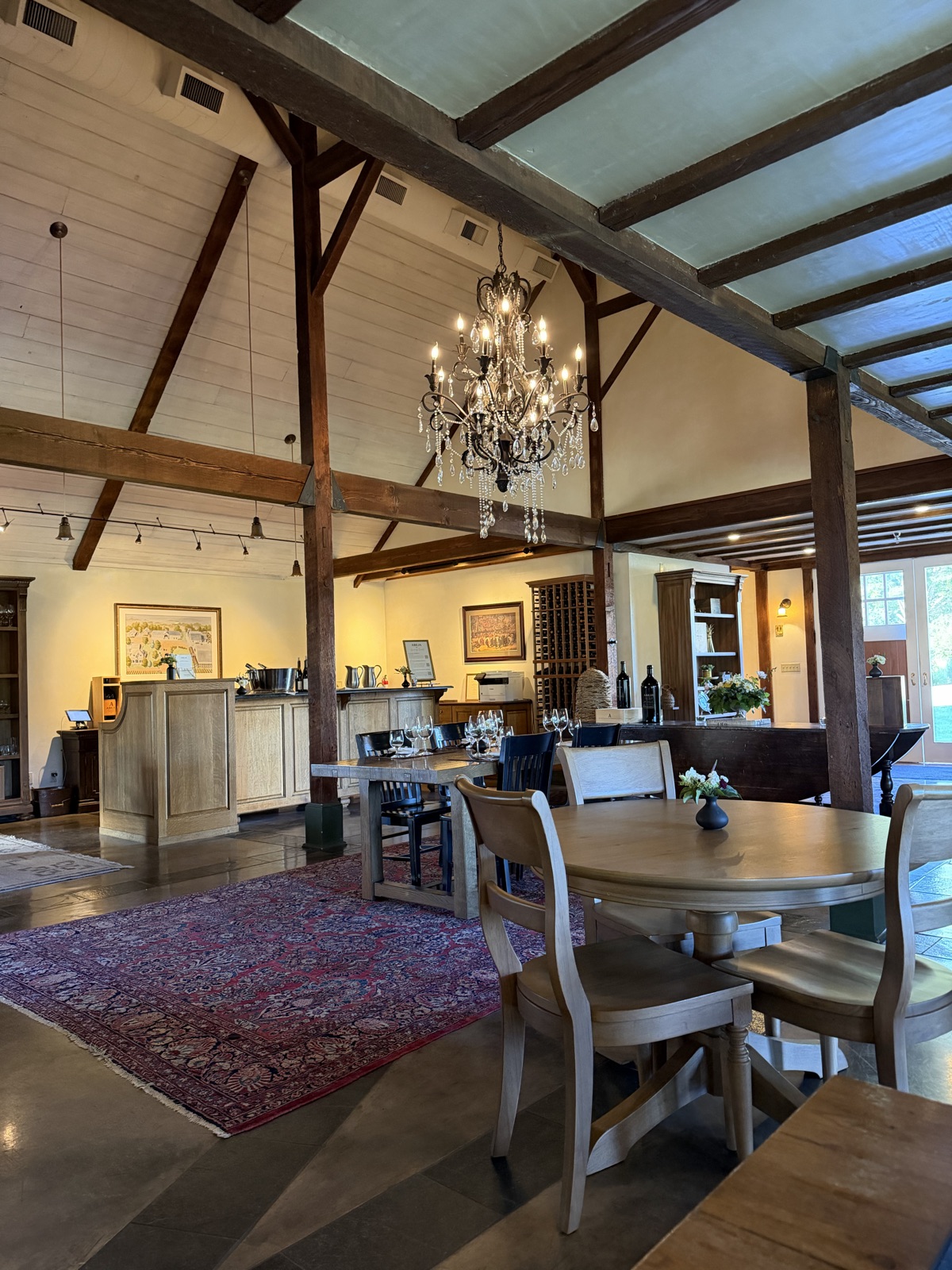
The dining room combines exposed timber beams, wood tables, upholstered seating, chandeliers, traditional rugs, and views toward the surrounding property. Tables are generously spaced, and the room remains intimate and conversation-friendly despite its high ceiling and open layout. Service follows the measured pace required by a five-course menu, with enough time between plates to reset the table and introduce each wine. Staff maintained a polished but unstiff approach, explaining the courses without turning each presentation into an extended speech. The overall setting feels formal enough for a destination dinner while remaining connected to the rustic character of the farmstead.
The chilled corn soup began the menu with a concentrated seasonal ingredient presented in a restrained format. Its smooth corn base was paired with scallop mousse and Aleppo oil, creating a balance of sweetness, mild shellfish flavor, and gentle peppery warmth. The mousse added body without making the bowl excessively rich, while the oil gave the finish more definition. The Sungold tomato cavatieddi provided the clearest expression of Easton’s pasta background. Firm housemade noodles were coated in a glossy tomato-and-butter sauce, with the acidity of the Sungold tomatoes keeping the dish from becoming heavy. A thin crisp garnish added needed contrast to an otherwise soft composition.
The salmon arrived with a well-browned exterior, tart cherry gastrique, black caviar lentils, and a delicate crisp positioned across the plate. The cherry brought acidity to the fish, while the lentils supplied an earthy texture and enough structure to make the course feel complete. Painted Hills beef tenderloin followed with Cabernet demi-glace, Chesed Farms mushrooms, greens, and another thin lattice garnish. The dark, concentrated sauce and mushrooms gave the beef a savory foundation, while the fresh greens kept the plate from becoming visually or texturally dense. Spumoni cheesecake closed the menu with pistachio praline and chocolate mascarpone, combining a compact, creamy center with nutty crunch and deeper chocolate flavor. The dessert was rich but appropriately portioned, finishing the progression without overwhelming the courses that preceded it.
The five-course dinner included chilled corn soup with scallop mousse and Aleppo oil, Sungold tomato cavatieddi, salmon with cherry gastrique and caviar lentils, Painted Hills beef tenderloin, and spumoni cheesecake. The meal also included the foie gras bon-bon, the cheese addition, several small opening bites, and the optional Abeja wine pairing. Across the progression, the strongest dishes were the housemade pasta, the salmon, and the beef tenderloin, each of which showed clear structure and a controlled use of sauces and garnishes. Outside bottles are not permitted, so diners selecting wine should plan on the pairing or choose from the restaurant’s Abeja-focused list.
The Kitchen at Abeja succeeds by treating the food as an essential part of the property rather than an accessory to the winery. Handmade pasta, carefully prepared proteins, seasonal produce, controlled portions, and a well-paced service format give the meal a consistent identity. The fixed menu and winery-centered wine program provide less flexibility than an à la carte restaurant, and the full dinner becomes expensive once supplements and pairings are added. It is best suited to diners looking for a structured, wine-oriented destination dinner in a quiet Walla Walla farmstead setting.