
Paso Robles Daily News – Two Paso Robles Wineries to Share Tasting Room in Adelaida District
Paso Robles Daily News reports that Hawks Hill Ranch Winery and Boutz Cellars are teaming up to share a single tasting room experience overlooking the Adelaida District west of Paso Robles, California. The collaboration places both estate wineries inside a 90-year-old heritage barn, with separate tasting bars so visitors can enjoy wines from one or both producers during a single visit. From the Article:
Hawks Hill Ranch winery has announced a tasting room collaboration with Boutz Cellars, uniting two Paso Robles estate wineries within one tasting location overlooking the Adelaida District. Guests may opt to taste with one or both wineries during their visit.
Hawks Hill Ranch and Boutz Cellars each have their own tasting bar in a 90-year-old heritage barn with indoor lounge seating. Additional seating is available on two outdoor patios featuring panoramic views of the Adelaida District. Guests may choose to taste with one or both brands based on availability and may bring their own picnic fare to enjoy before or after tastings. Tasting flights range from $25 to $35, and reservations are encouraged.
I had a similar experience to this in Sonoma with Enkidu and Honrama Cellars. Worked out very well, and saves both companies some money.
Food & Wine – Napa’s $750 Tastings Are Out — Zip Lines, Vinyl Nights, and $30 Flights Are In
In Food & Wine, Kathleen Willcox reports that California wine country is rethinking the traditional high-priced tasting model as consumer behavior shifts and visitation patterns evolve. Ultra-premium experiences, once priced at $500 to $750 per person, are shifting to more accessible, experience-driven formats to attract younger drinkers and broaden appeal.
Willcox highlights how wineries across Napa, Sonoma, and Paso Robles are introducing lower-cost tasting flights priced at $30 to $50, alongside events such as vinyl listening parties, trivia nights, vineyard hikes, horseback rides, and zip-line experiences. Rather than focusing solely on exclusivity and luxury positioning, many producers are prioritizing community engagement and long-term relationship building. From the Article:
Getting psyched to venture to a Napa tasting room in a pair of Jimmy Choos and shell out $500 for a flight of well-aged Cabernet feels so 2007. (Was it even fun then?) But for many would-be visitors to California wine country, the perception is that it’s the prevailing option on tap at tasting rooms in the Golden State’s most aspirational neighborhoods.
That impression has merit. Stratospherically priced tasting experiences have been a thing in the Valley. Consider Tor Wines’ Black Magic Experience at $750, Immortal Estate’s 100-Point Experience at $500, and Theorem Vineyards’ Baccarat Tasting Experience at $750, to name a few.
Nemerever (co-owner of Nemerever Vineyards in Oakville), who blames “greed and hubris” as the driving force behind the many high charg s in wine country, says his winery’s unadvertised free, by-appointment tastings are always jammed, often with millennials.
“Most of our visitors hear about us from friends,” he says. “I’m a bit biased, but I think charging more than $30 is excessive, though that can be offset by crediting higher fees against wine purchases.”
Nemerever’s biggest objection, he says, are wineries that “view the tasting room as a profit center, rather than a place to showcase their wine.”
VinePair – As France Tears Out Grapevines, Winemaking Expands Across Scandinavia
In VinePair, Evan Rail reports on two contrasting trends reshaping the European wine world: France’s new vine-uprooting incentives and the rapid emergence of wine production in Scandinavia. Under a government-backed programme included in France’s 2026 budget, vineyard owners can receive €4,000 per hectare to remove their grapevines permanently—a plan aimed at reducing oversupply and combating a slump in domestic wine consumption and export demand.
 At the same time, winemakers in Norway, Sweden, and Denmark are planting new vineyards, pushing viticulture well beyond historic northern limits. Many Scandinavian producers are working predominantly with cold-hardy or hybrid varieties like Solaris, which performs well in cool climates and produces dry white wines that appeal to local palates. Some wineries are also experimenting with rosés, pét-nats, traditional method sparkling wines, and even small amounts of Pinot Noir, adapting techniques to regional conditions. From the Article:
“We expanded, year by year, to about 17,000 vines today,” he says. “And we are going to plant another 4,500 this year.”
While it might sound like a comparable swap, newly planted vineyards in Scandinavia are unlikely to offset the loss of 35,000 hectares of French grapevines this year. According to Sveneric Svensson, chairman of the Swedish Wine Association, his country had a total of only 185 hectares of wine grapes in 2025. He expects that number to increase by the end of this year, however, to as much as 220 hectares.
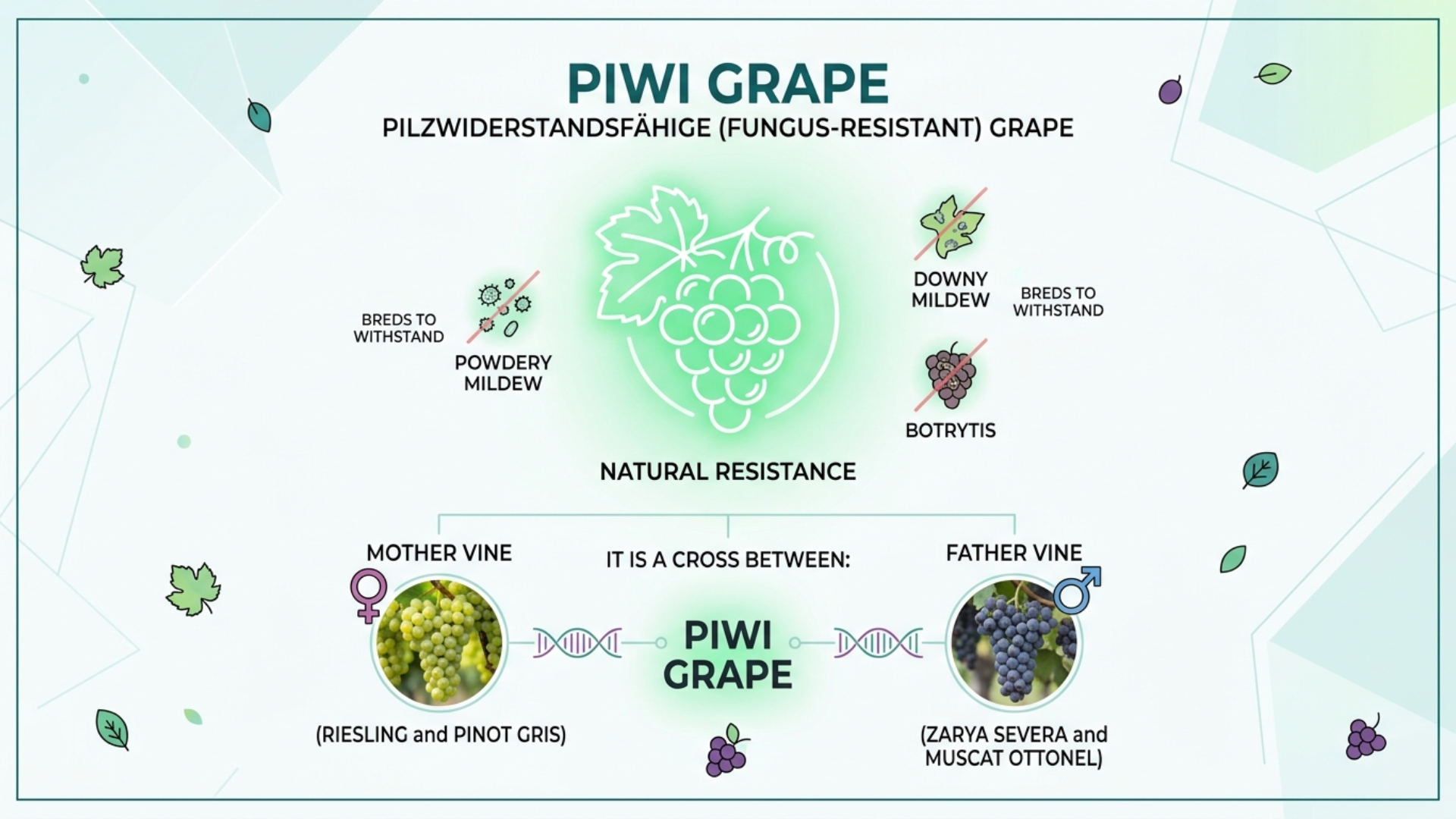
Northern European winemakers have found success with dry whites made from Solaris*, a cold-hardy PiWi grape*, partially descended from hybrids, but classified as Vitis vinifera.
“When Solaris came around, that was a revolution,” Svensson says. “If you ask me, the Swedish grape is Solaris. It’s covering 60 percent of the area.”
Stag’s Leap Wine Cellars is marking the 50th anniversary of the Judgment of Paris with a year-long programme of celebrations, commemorative releases, and curated experiences in Napa Valley and beyond. The historic Judgment of Paris blind tasting in 1976 is one of the defining moments in modern wine history, when the 1973 S.L.V. Cabernet Sauvignon from Stag’s Leap topped elite French wines, helping put Napa wines on the global map.
A quick rundown of the year-long plans to celebrate the anniversary:
Stolpman Vineyards: Dry-Farmed Precision in Ballard Canyon
Stolpman Vineyards focuses on dry-farmed Syrah and Rhône varieties grown on limestone soils in Santa Barbara County. Founded by Tom and Marilyn Stolpman and now led by their son Pete, the winery combines high-density planting with a dedicated vineyard crew, La Cuadrilla, to produce vibrant and site-specific wines.
Sleeper Cabernet Sauvignon Napa Valley 2021

Sourced from elite Napa Valley vineyards under strict non-disclosure agreements, the 2021 Sleeper Cabernet Sauvignon offers a rare access point to high-caliber winemaking. Crafted by Jean Hoefliger, this release balances the concentration of the 2021 vintage with polished tannins, delivering a structured, age-worthy profile defined by dark fruit and graphite.
Cielo Morongo: High-Altitude Dining with Traditional Steakhouse Ambition

Perched on the 27th floor of Morongo Casino Resort in Cabazon, California, Cielo Morongo delivers American steakhouse cuisine through flame-grilled USDA Prime steaks, premium chops, and fresh seafood. The execution emphasizes precise technique and farm-fresh California produce, supported by attentive service and panoramic desert vistas.
Corkage is $35 Per Bottle / Max 1 Per Person